Friday, October 12, 2012

Halloween Wines


Doesn't that look scary to you ? Yes, Halloween is approaching and it is important  to know what Halloween wines are available and what to buy. So, we have a list of fun and affordable wines that you can choose from to better enjoy your Halloween from 12most.com  wicked wines.

1. Treat

trick and treat wine Trick and Treat are made exclusively for Cost Plus World Market every year. This 2010 California White Table Wine is cellared & bottled by Treat Cellars, Healdsburg, CA. According to the bottle “It’s always a Treat to serve this haunting wine at a midnight picnic or just visiting with ghoulies, goblins or witches. This wine is spook-tacular by itself served chilled”. At only $7.99, I picked up a bottle to at least have as decoration for my Halloween party.

2. Elk Creek Vineyards Ghostly White Chardonnay

Elk Creek Vineyards Ghostly White

According to Elk Creek, 9 out of 10 Ghosts serve Ghostly White Chardonnay at their Halloween Parties. I’ve never tried wine from Kentucky, but this is definitely a cool bottle to have during the Halloween season!


3. Treat

Again, Trick and Treat are made exclusively for Cost Plus World Market every year. This 2010 California White Table Wine is cellared & bottled by Treat Cellars, Healdsburg, CA. According to the bottle “It’s always a Treat to serve this haunting wine at a midnight picnic or just visiting with ghoulies, goblins or witches. This wine is spook-tacular by itself served chilled”. At only $7.99, I picked up a bottle to at least have as decoration for my Halloween party.

4. Trueblood Pinot Noir

I love that Trueblood is the last name of the family that owns this winery (and her first name is Hope). This artisan style Pinot Noir comes from Santa Maria Valley and is aged in French oak for 23 months before bottling. The wine is elegant, rich and concentrated with blackberry, plum and dark cherry flavors.

5. The Velvet Devil Merlot

A Washington State Merlot brought to us by Charles Smith Wines. Another great winemaker note: “PURE VELVET! Milk Chocolate, wild blackberry, baking spice, rose oil…beautifully perfumed Washington in a glass…Velvet Devil? HELL YEAH!” Their King Coal also gets an honorable mention for Halloween wines.

6. Vampire Merlot

vampire vineyards merlot north coastThis creepy bottle is the perfect accompaniment to any Halloween party, and let’s be serious… the Vampire craze is still going strong. This wine comes from North Coast, California and is smooth and medium-bodied with black cherry aroma, and hints of herbal spices. It pairs well with chicken, beef, lamb, game and pasta with tomato-based sauces.

7. Elk Creek Vineyards Bone Dry Red Cabernet

Another wine from Kentucky, Bone Dry Red is aged in small oak barrels and is said to have ripe cherry, red berry, chocolate and hints of spice.

8. Chateau du Vampire Cabernet

I love the winemakers note on this one: “A few of you reading this back label might be wondering, how is it that vampires have managed to live in Sunny California, grow grapes, and somehow still survive? You should know that vampire winemakers have learned much over the years. We have learned so much that many of us have now become Daywalkers! Although it is true that we prefer nightlife, what better way to enjoy it than with a glass of this delicious Cabernet.”

9. 7 Deadly Zins

A blend of Zinfandel, Petitie Sirah and Petit Verdot from Lodi, this wine is loaded with berry fruit, pepper, spice, and earth characteristics. The wide availability of this wine makes it easy to pick up for Halloween festivities.

10. Dracula Zinfandel

Dracula Zinfandel is another wine from Vampire Vineyards, and it originates from Paso Robles, CA. This Zin is big, rich and expressive with deep plum flavors that lead to cracked pepper & spices, with a refined textures and concentration.

11. Reserve POIZIN

I prefer the Reserve to the plain old POIZIN because of the cool casket included. Apparently, this Zinfandel from Sonoma County is “the wine to die for”.

12. Ed Hardy Sangria
Ed Hardy Sangria

I had no idea Ed Hardy made wine, but this sangria would serve as a phenomenal centerpiece for any Halloween party. Label aside, this wine is “bursting with the sun drenched flavors of hot Spanish summer”

This diverse list should give you ideas for choosing that special spooky Halloween wine. If you would like to contact us with any questions or feedback you can reach us by email.

Thank you for visiting!
Joseph A Jones & The WellLife Team

Thursday, August 30, 2012

Fall Wines


Fall is right around the corner. It is amazing that it is now approaching September. Fall, a very special time of year when the weather gets colder and leaves start to turn. With this changing season, it is imperative as the seasons change so does your wine selection. So, we found fall wines that you can choose to match this time of year.

Light and bright:

2009 Mark West Pinot Noir, California, $12
It’s tough to make Pinot Noir that falls into the well-priced category, but Mark West has done it. With red berry zip and a hint of earthy aromas, it’s a Pinot that will please.

2009 Arrogant Frog “Lily Pad Noir” Pinot Noir, Languedoc, France, $10

 A beret-clad frog with a jaunty grin adorns the label of this wine that offers a bit more weight than other affordable Pinots. Juicy and easy-drinking.
 
 2009 Louis Jadot Beaujolais Villages, France, $12One of best vintages for Beaujolais in recent history has given this wine depth and character. Made with Gamay grapes, there’s an appealing lightness and succulence.

2009 Rioja Vega, Rioja, Spain, $12Slide into fall with this lovely red. Hailing from the classic Spanish region, Rioja, it’s made from the Tempranillo variety and is vibrant and elegant.
2009 Mandolin Syrah, Central Coast, California, $10A Syrah for Pinot drinkers, this lighter, brighter style is one to pop with pork or even with fleshy fish.


2008 Finca Constancia “Altozano” Vino de la Tierra de Castilla, Spain, $10A Tempranillo and Syrah blend that captures the racy side of red. Red berry fruit notes are topped off with a hit of peppery spice on the finish.

2009 Banfi Chianti Classico, Italy, $12It’s normally a challenge to find simple Chianti that fits the $12 price point, much less one from the highly-regarded Chianti Classico zone, but Banfi has managed to produce a structured yet sleek version at a surprising price.

Smooth and supple:

2009 Torres “Sangre de Toro” Catalunya, Spain, $10A deliciously silky red that over-delivers quality for the price. Made with Garnacha (Grenache) and Carinena in Spain’s northeastern corner. With crowd-pleasing freshness, you’ll want to stock up on this one.

2009 Kenwood “Vintage Red” California, $9Kenwood is a Sonoma winery known for top bottlings (like their Jack London label) that you may want to crack open on weekends, but the quaffable “Vintage Red” is a Zinfandel-based blend for weekday sipping.

2009 James Oatley “Tic Tok” Shiraz, Mudgee, Australia, $12The name is an ode to the family patriarch – a clockmaker and this is a red worth twice the price. From the cooler climate area of Mudgee, it’s a Shiraz with style.

2008 Waterbrook Merlot, Columbia Valley, Washington, $11Located in the hot spot of Washington, Walla Walla, Waterbrook crafts pricey reds, but this supple, sippable Merlot tucks in at a cool price.

2009 Cellar No 8 Red wine, California, $10A mélange of eight varieties including Petite Sirah, Merlot, and Grenache, this just may become your house red. Fruit-driven and juicy, it’s a happy-maker.

2009 Naked Earth red, South of France, $12Made with organically grown grapes, this blend of Merlot, Cabernet Sauvignon, and Grenache is not overly serious but offers good drinking with burgers or pizza.

2009 Bota Box Cabernet Sauvignon, California, $5 (500ml)A to-go wine that can slip in a purse or pocket, this eco-friendly mini-box holds three glasses of smooth Cabernet. It’s ideal for the beach, outdoor party, or just when you want a little glass without the glass.

Full-bodied and fleshy:

2009 Dancing Bull Zinfandel, California, $12With dark berry fruity flavors  underscored by a kick of smoky aromas, this hearty Zin is made for fall sipping. Try alongside a wood-fired pizza or last of the season BBQ ribs.

2009 Healdsburg Ranches Cabernet Sauvignon North Coast, California $12This Cab over-delivers in quality. It showcases intensity of fruit and mouthwatering vibrancy. Sure it will pair with a steak, but try roast chicken or grilled eggplant.

2008 Purple Cowboy “Trail Boss” Cabernet Sauvignon, Paso Robles, California $12Named for some rodeo dudes who enjoyed vino and showed off their purple teeth, this plush red has power. The brand also supports the “Tough Enough to Wear Pink” organization for breast cancer awareness.

2009 Concannon Cabernet Sauvignon, Central Coast, California $10Making wince 1883 Concannon ranks among California’s most historic producers. This affordable but still fairly complex Cab is the real deal.

2010 Bodega Elena de Mendoza Malbec, Argentina, $11Malbec is known for its saturated dark fruit character and this one doesn’t disappoint. It’s rich, it’s ripe yet balanced with a whack of freshness making it ideal to saddle up to the dinner table.
 
2009 Yarden Mount Hermon, Galilee, Isreal, $12Yes, this wine is kosher but it’s so much more. Made from Bordeaux varieties, it delivers complexity that belies the price. Lush but with an edge of tannic grip it’s one to pair with grilled meat dishes.

We give a big thanks for the Today program in compiling such a wonderful list of fall wines to choose from. If you would like to contact us with any questions or feedback you can reach us by email.

Thank you for visiting!
Joseph A Jones & The WellLife Team

Wednesday, June 13, 2012

Summer Wines


         Summer is here. That means you want to enjoy light fruity wines that accompany light fresh summer foods so it is imperative that you have a vast selection  of summer wines to choose from. That is why we have a list of summer wines from slate.com that you can use for your special summer meals. Here is their findings.

Here are eight good wines for beaches and barbecues:

Domaine Tempier Rosé 2004, $28 (France)
Egregiously overpriced, but thoroughly delicious to drink, especially if someone else is buying. Like biting into a peach, right down to the pit—there's no mistaking the predominant flavor here. Rich and spicy, with considerable heft. Yet more evidence that 2004 was a great vintage for rosés.


Commanderie de Peyrassol Rosé 2004, $15 (France)
Many 2004 rosés are unusually deep in color; this one is an exceedingly pale salmon-pink. Very peachy nose, and fairly smoky, too. Tart stone fruit flavors in the mouth, with good structure and a nice, spicy bite. Find a pool, find some lobster salad, drink this wine.


Bodegas Muga Rioja Rosado 2004, $10 (Spain)
Spain also did well with rosés in 2004, and the Muga rosé is particularly sublime. It has peach and candied-apple aromas, along with a distinctly yeasty note. Very mellow, but with good acidity and an underlying verve about it. A screaming steal for the price.


Dupeuble Beaujolais 2003, $10 (France)
Dupeuble is always cheap and always good. This one is light-bodied, with tart cherry flavors and tangy acidity. An hour in the fridge will make it even more refreshing. The ideal picnic wine.


Domaine de la Pepiere Muscadet 2003, $9 (France)
A nice blast of lemon, chalk, green apples, and crushed rocks greets the nose. Not as crisp as Muscadets typically are, but 2003 was an atypically hot vintage, which can make for fuller wines. Still, the citrus flavors and acidity are pleasantly bracing.


Charles Joguet Chinon Cuvée Terroir 2002, $17 (France)
Joguet remains the undisputed king of Chinon, the best appellation for red wines in the Loire Valley. The Cuvée Terroir is Joguet's most basic bottling, and the 2002 is terrific. Medium-bodied and classically Chinon, with cranberry and tobacco notes and a slightly dusty texture. Great with grilled meats; transcendent with chevre from the Loire.


Leeuwin Art Series Riesling 2003, $17 (Australia)
Crisp lemon and lime flavors in the mouth, with a slight tropical note. Bone dry and pleasantly austere, with brisk acidity and excellent concentration. A true summertime Riesling; save the German and Alsatian Rieslings for when the leaves start to fall.


Rosenblum Zinfandel Vintners Cuvée XXVII, $9 (United States)
As cheap cookout wines go, this remains one of the best. Ripe, spicy, and slightly unruly raspberry flavors—in other words, classic Zinfandel—with decent structure and a meaty texture. True barbecue fluid here.


Now you have the perfect wine to match the perfect summer meal. If you would like to contact us with any questions or feedback you can reach us by  email.

Thank you for visiting!
Joseph A Jones & The WellLife Team


Wednesday, May 9, 2012

Starting A Wine Collection


      Starting a wine collection can sound overwhelming. What kind of wines do I choose? How much is it going to cost? Where am I going to keep it? These are some of the question that will come to mind on starting your own private collection. We found a useful guide that can answer many questions that you may have.


1. Decide on a Budget
Decide how much you can spend on this hobby—not always an easy thing. “Telling someone how much to put aside to start their wine collection is like telling them how much they should spend on their first car,” says Alder Yarrow, creator of vinography.com. “However, aspiring collectors may be surprised to know that as little as $300 or $400 can be enough to buy some excellent bottles that will [last] the next 20 years.” For more flexibility, a great starting place is about $1,000. If you’ve just broken into a cold sweat, don’t worry—you can spread out the spending over months or even years.

You’ll likely spend more on some bottles that are highly collectible, but wine writer and TV personality Leslie Sbrocco says there are plenty of great values in the $25 to $30 range. “Good California cabernets—not cults—are findable in that range, as are Argentine malbecs, a few Oregon and New Zealand pinot noirs and Washington state merlots,” Sbrocco says. “French Bordeaux dubbed ‘cru bourgeois’ are great deals too. With $1,000 you can really do some nice things.”

2. Buy What You Like
Having a wine collection is about enjoying your wine. Think about which wines you like to drink. Are they Old World wines, like those from traditional regions in Bordeaux, Burgundy or Italy, or do you enjoy bright, fruity New World wines from California or Australia? Ideally your collection should be varied, but to start, stock what you most enjoy. Keep in mind that Old World wines often are made to be aged. New World wines—while sometimes made for aging—are often best drunk within three to seven years.

Also think about whether you’re a white or red person. A few white wines—some sauternes and gewürztraminers— will age for a decade or more, but whites don’t typically age as long as reds, which can take decades to reach full potential. In your collection, generally think reds for long-term storage and whites for short-term drinking.

3. Professional Refrigeration Isn’t for Everyone
Do you want to collect for fun or investment? If it’s just about having some nice wine to pair with dinners or share with friends, without longterm cellaring, you probably won’t need to invest in heavy-duty refrigeration or a storage locker. If you plan to cellar for years, or possibly sell your bottles down the line, you’ll need to make sure you’re storing the wine at its optimum temperature: a constant 55 degrees. “Wine likes to be stored at a cool temperature,” says Joe Padulo, owner of Portland Wine Storage in Portland, Ore. “Fifty-five degrees allows a wine to develop and age gracefully. Too cool slows down the aging process; too warm makes for a short life span. But the most critical factor is that a wine is kept at a constant temperature; spikes and fluctuations are what kill wines prematurely.”

If you’re serious about long-term storage for a large quantity of wine, consider a wine storage locker. Small units start at about $40 a month, and your wine will be professionally maintained. Drawback: No lastminute trips to the cellar; you’ll have to plan ahead, because most keep 9 to 5-ish business hours. You can find a list of storage lockers in several states online at wine-searcher.com/storage.lml.

4. Storage, Storage, Storage
Before you buy that first bottle, you need to figure out where you’re going to store your stash. A good rule of thumb is to estimate the number of bottles you plan to collect, then multiply that by three. Often a basement will maintain the steady temperature your wines will need, though you should take some temperature readings at different times of the day to be safe. “In the short term, [temperature] fluctuation has little noticeable effect on a wine, but in the long term it’s the kiss of death,” Padulo says. A closet in the northeast corner of your home can be a good choice (it stays cooler than the rest of the house). Whatever you do, never put your wine on top of the refrigerator or above the stove or laundry area, where heat and vibration will wreak havoc on your collection. Humidity’s also a factor; if a space is too dry, the cork will dry out and ruin the wine.

Purchase some inexpensive wine racks or build your own. There are several reasonably priced kits available. You may also want to buy a small refrigeration unit for your kitchen to store bottles you want to serve.

5. Ready, Set, Taste
You’re almost ready to start buying. Almost. The next step is to taste to see what you like. If you live in a region with tasting rooms (and wines you want to collect), make an appointment with the winemaker or go to public barrel tastings to see how the wines are shaping up. If not, local wine stores usually offer tastings where you can sample their wares. Avoid buying wine based merely on scores or tasting notes because they’re based on someone else’s palate—not yours. It’s a starting point, but certainly not an end-all.

If you find a winery you really love, joining its wine club or mailing list is sometimes a good value. But proceed with caution—unless you are totally committed and want multiple vintages, you can sometimes get stuck with clinkers.

6. Triple Up on Favorites
The price of a case of wine can sometimes be prohibitive for new collectors, ranging from a few hundred to nearly $1,000. But here’s why cases are good if you can afford them: Knowing the perfect moment to open a bottle of wine can be a dicey thing—too early and it might not show well; too late and it might have lost fruit and character. If you have a case, you can try a favorite wine over the span of its life. An alternative, if you can’t afford a case, is to buy three or four bottles at a time.

7. Find the Deals
Here’s where winery clubs or mailing lists come in handy. Before wines are bottled, wineries often offer discounted “futures,” selling their upcoming vintages at 10 percent or 20 percent below the final bottle cost. If you’re willing to take a chance on a wine, not knowing its true bottled character, this can be a great deal.

Local wine auctions and the Internet can also be a source of great values, but be wary; you can’t always be sure how the wine was handled—if it got too warm or the cork was jostled—when ordering from folks you’ve never met. “It’s just too easy to get ripped off,” Yarrow says. Best bets are to get the wine directly from the winemaker, or, Yarrow suggests, establish relationships with nearby retailers or reputable Web retailers like vinfolio.com, which caters to collectors. In addition, Sbrocco recommends looking for deals at larger retailers like Costco and BevMo.

You can often get a discount on wines if you buy by the case or take advantage of sales and end-of-vintage deals (at that point, however, there might be a reason the wine hasn’t sold out—proceed with caution).

8. Go Deep
True collectors want to show breadth and diversity in their assemblage. Try to gather multiple vintages of a single wine (like the ’97 though ’01 Caymus) to see how a wine develops over time, through different winemakers, growing conditions and hang time. Yes, it’s a bit geeky and you’ll annoy your friends with your encyclopedic knowledge of a single vineyard or wine, but if you’re a collector, they’ll understand.

9. Think Twice About Trophies
The crowning jewels of any collection are rare, hard-to-find trophy wines. Their appeal comes from incredible care in cultivation and bottling, limited availability or the star-status of the winemakers (sometimes above all else). These are wines that collectors are willing to spend anywhere from a few hundred to a few thousand dollars for.

In California, Screaming Eagle, which is almost impossible to acquire—and if you do get it, insanely expensive (think thousands)—is a good example of a trophy wine. But you don’t have to think that big. Wineries like Williams Selyem or Colgin Cellars are also considered trophy wines; you may have to wait several years to get a bottle, but it will be worth it.

Still, be wary of trophy-wine hype. Often the cultish trophies are a bit overplayed, and you can find equally magnificent wines for much less. “People should always buy wines for their collection that they have tasted and actually like,” Yarrow says.

10. Keep Learning
Remember that the fun in collecting isn’t just the purchase, but everything leading up to it. Do the research, read reviews and books, taste, talk and ask questions. When you do end up pouring that magical first glass from your newly created collection, you’ll enjoy it all the more—whether it’s a $10 chardonnay or a rare German riesling—because you put the time and effort into finding it.

We would like to thank imbibemagazine.com for providing such insightful knowledge concerning this topic. You are now provided with useful information to get started on that special collection. If you would like to contact us with any questions or feedback you can reach us by  email.

Thank you for visiting!
Joseph A Jones & The WellLife Team

Thursday, April 5, 2012

Special Wines For Spring


Spring is here and you want to celebrate it. That does not mean you want to use the same safe wine choices that has been used so many times before.You want a wine that feels and tastes matching spring which is refreshing and full of flavor. Wines.com au has provided a wonderful list of special spring wines that you can try and  a detailed description on what it would taste like. Enjoy the spring!


Sauvignon Blanc

One of the most delectable wines to be drunk in the spring is Sauvignon Blanc. This white-grape wine wins its appeal as a spring wine for its dry, crisp, citrus and vanilla tones. Sauvignon Blanc also earns its lush reputation for its herbaceous, grassy and oft-described melon qualities.

Riesling

Blossoming of trees, laughter filling the parks and barbeques in the backyard aren't the only signs that spring is in the air - the first few days of spring also flag the official opening of the Riesling season.

While Riesling can sometimes be thought of as a too-sweet wine, there are some great ones on the shelves that wine connoisseurs can direct you to. Originating from the Rhone region of Germany, Riesling is and always will be a sweet wine. But it is possible to get a well-balanced Riesling with higher acidity levels (composed of malic and tartaric acid) and a dry finish. Rieslings are typically characterised by their fruit and mineral flavours.


Chenin Blanc

Possessing many different styles such as a dry sparkler or sweet dessert style, the Chenin Blanc variety is a versatile wine grape that adds colour to a spring day. Some of the most delicious Chenin Blancs on offer include Chappellet's Old Vine Cuvee and Monte-rey's Heller Estate Chenin Blanc.


Gruner Veltliner

Austria's famed white variety, Gruner Veltliner is quite the drop to drink in spring for its vibrancy. Known for its spicy bite with edges of white flower, cracked pepper and herbaceous edge, the Gruner Veltliner will get your tastebuds jumping.


Pinot Gris

A white-wine grape, Pinot Gris is thought to be a clone of the Pinot Noir grape. Also referred to as Pinot Grigio - as it's called in Italy - Pinot Gris is recognised by its rich, fruit-laden and floral bouquet flavour, and jostles images of a bloom-filled spring.

Pinot Gris is also described as spicy and is balanced with acidity and a slight sweetness. Depending on where the Pinot Gris is grown will determine the full flavour. Pinot Gris from Oregon will tend to have the aromas of pear, apple and melon while Californian Pinot Gris is more light-bodied and crisp with an arugula (also known as rocket) and pepper bite. Pinot Grigio however, is characterised by spritzy, crisp and acidic flavours.


Albarino

Albarino is perhaps equated to spring for its light, invigorating body and heady aroma of peach and apricot.

Albarino also goes fabulously with spring food such as seafood dishes or tapas. However it is fairly robust and goes equally as well with Paella, pasta and risotto.

Known as Alvarinho in Portuguese, Albarino is a white wine grape and is high in acidity. Because the grape has a thick skin and a large number of pips the wine can produce a bitter taste.


Lambrusco

Who could forget the sweet taste of Lambrusco, made primarily from the wine grape of the same name. An Italian wine, Lambrusco originated from Emilia-Romagna and Lombardy. Lambrusco can come in a white and rose style, and can also be produced frizzante (slightly sparkling).

The Lambrusco grape is not particularly sweet but the wine gains its sweet flavour with the addition of the Ancellotta grape. When by itself, Lambrusco is still pleasant and holds a strawberry flavour with a slight bitter finish.

With such uplifting, fragrant tastes to these wines, we really are spoiled for choice. And moreso, you can see why they are so affiliated with the aromatic, revitalising season of spring.

This is a great spring wine selection to choose from.If you would like to contact us with any questions or feedback you can reach us by  email.

Thank you for visiting!
Joseph A Jones & The WellLife Team

Tuesday, March 6, 2012

Wine & Food Pairings for Spring


    Well, spring is here and that means new seasonal foods to pair with your wine. Wine and Food pairing is so important to be able to get the most out of your fresh seasonal food and have a wine selection that provides a perfect balance to that meal. With the assistance of matchingfoodandwine.com , they have provided real useful information concerning the topic. This is their findings.


Sauvignon Blanc and Sauvignon blends
What more is there to say about Sauvignon Blanc? Only that there is much more variety than ever before and that quality seems on an unstoppable upward curve. Try those from South Africa if you’re not familiar with them. And revisit white Bordeaux and other Sauvignon-Semillon blends
Best food pairings: goats’ cheese, asparagus, grilled fish and other seafood, dishes flavoured with coriander and dill

Grüner Veltliner
No sign of the Grüner bandwagon slipping off the rails. It’s still every sommelier’s darling - less demanding than riesling, more sophisticated than Pinot Grigio (though see below). Drink young
Best food pairings: Light Asian flavours e.g. Asian accented salads and noodle dishes, Vietnamese spring rolls

Albarino
Another fashionable option, Spain’s feted seafood white, which comes from Galicia in the North West of the country, has the intensity to cope with most light fish preparations. A good wine to choose in fish restaurants.
Best food pairings: shellfish, light fish dishes, spring and summer soups e.g. gazpacho, tomato salads

Chablis and other unoaked or lightly oaked chardonnays
If you’re a chardonnay drinker, time to change the register from oaked to unoaked or at least subtly oaked. (Those rich buttery flavours will overwhelm delicate vegetables and seafood unless they’re dressed with a rich butter sauce) Faced with competition from the new world, Chablis is better quality than ever and a good own brand buy from supermarkets. Watch out for offers.
Best food pairings: oysters and other seafood, poached chicken, creamy sauces, fish and vegetable terrines, sushi

Dry riesling
Like Marmite riesling tends to polarise wine drinkers - some love it, some hate it. There’s no denying though that its crisp, fresh flavours and modest levels of alcohol it makes perfect spring sipping. If it’s the sweetness you’re not sure about stick to Alsace riesling, German Kabinett riesling or Clare Valley riesling from Australia. If it’s the typical kerosene flavours it can acquire with age, stick to younger wines.
Best food pairings: Smoked fish especially smoked salmon, crab, trout, smoked chicken, salads,Cantonese and lightly spiced south-east Asian food

Pinot Grigio
The tide of insipid, cheap pinot grigio has given the wine a bad name but the best examples (mostly from the Alto Adige) are elegant minerally whites that deserve a place in your cellar.
Best food pairings: antipasti, light seafood pastas and risottos, fresh tomato-based pasta sauces

Prosecco
The Veneto’s utterly charming sparkling wine, softer and more rounded than champagne. It mixes fabulously well with fresh summer fruits such as peaches and raspberries as in the famous Bellini
Best food pairings: A perfect spring aperitif or to sip with panettone

Light rosé
I say light because so many rosés now are little different from reds in their levels of alcohol and intensity. Not that that style doesn’t have a place (it’s a great wine to drink with barbecues, for example) but it can overwhelm more delicate flavours. At this time of year try the lighter, less full-on styles from Provence and elsewhere in the South of France or from the Rioja and Navarra regions of Spain.
Best food pairings: Provencal-style dishes such as salad nicoise and aioli (vegetables with a garlic mayonnaise), grilled tuna, mezze

Light Loire reds
Well, actually not so light if you look at the 2005 vintage but in general Loire reds which are mostly based on the Cabernet Franc grape are light and fragrant, perfect served cool. Examples are Chinon, Bourgeuil and Saumur-Champigny
Best food pairings:
Seared salmon and tuna, grilled chicken, goats cheese

Young Pinot Noir
I stress young because you want that bright, intense, pure raspberry fruit rather than the slightly funky notes you can get with pinot (especially red burgundy) that has a couple of years’ bottle age. The most reliable place to find it currently is in the Marlborough region of New Zealand. Chile, California and Oregon have some appealingly soft, fruity pinots too, though again, watch the alcohol and serve lightly chilled.
Best matches:
Seared duck breasts, salads that include fresh or dried red berries or pomegranate seeds, seared salmon or tuna.


Now, you know the perfect wine to pair with your spring meal which transforms it into a wonderful dining experience.If you would like to contact us with any questions or feedback you can reach us by  email.

Thank you for visiting!
Joseph A Jones & The WellLife Team

Thursday, February 9, 2012

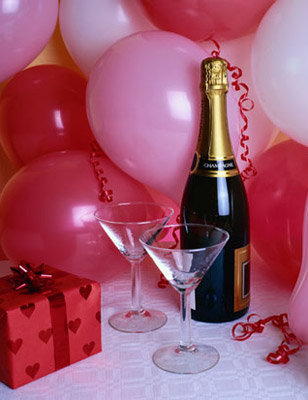
Choosing Champagne For Valentines Day


         February is that time of the year where we celebrate that special person in our life. For Valentines Day, that means taking someone out to dinner or celebrating the holiday at home with  a romantic evening planned. Therefore, it is important that you know how to choose a special Champagne for this occasion.We found a great article by South Florida Food and Wine.com  that provides you with conversational fun facts about champagne and more importantly in depth information  that you can use in making that important buying decision.

Champagne Fun Facts
  • The name ‘Champagne’ can only be used if the wine is produced in Champagne located in the northeastern region of France. If a similar sparkling wine is produced, using the same method other than in Champagne, then it has to be labeled as methode champenoise so as to give credit to the procedure.
  • The bubbles in Champagne are formed during the second fermentation that takes place in the bottle.
  • A bottle of champagne can have as many as 49 million bubbles thus its affectionate name “bubbly”
  • The pressure in a bottle of champagne is 90 pounds per square inch, about three times that of an automobile tire. This is why Champagne bottles and corks are thicker than still wine bottles and corks.
  • The size of the bubbles is one of the factors that determine the quality of the champagne. High quality Champagne is characterized by tiny bubbles. Large bubbles are the mark of a lesser quality wine.
  • Champagne should be drunk in a flute, a tall and narrow glass; this is to preserve the bubbles and to let the aromas of the wine muse.
  • There are 91 calories in a four-ounce glass of Champagne and 495 calories in a 750-milliliter bottle.
  • A cork leaves the bottle at a rate of 38-40mph.
  • Champagne folklore has it, that the Champagne “coupe” goblet was modeled in the shape of Marie Antoinette’s breast using wax molds.
  • A raisin dropped in a glass of fresh Champagne will float up and down continuously from the bottom of the glass to the top.
Varietals used in making Champagne
The name “Champagne” refers to wine produced exclusively within the Champagne region of France. The three primary grapes used in the production of Champagne are Pinot Noir, Chardonnay and Pinot Meunier
Blanc de Blanc: A French term literally translated means “white of white”. The terms Blanc de Blanc is used to designate Champagne made exclusively from Chardonnay grapes.
Blanc de Noir: A French term literally translated means “white of blacks”. Blanc de Noir is a white wine produced entirely from the black grapes, Pinot Noir and Pinot  Meunier.
Rosé: Rosé wines of Champagne are also known as Pink Champagne. Pink Champagne is produced by leaving the clear juice of black grapes to macerate on its skins for a period of time or by adding a small amount of still Pinot Noir red wine to the sparkling wine cuvée (tank).

Vintage/Non-Vintage Champagne
A non-vintage Champagne is a blend of grapes from several vintages. Most Champagnes are non-vintage, classified as “house style”. This “house style” is very consistent, and meant for immediate consumption. Non-Vintage (NV) Champagne is reliable from one harvest to the next (because of the way it is made); when you find a particular NV you like, you can be assured that style will be the same bottle after bottle.
Vintage Champagne comes from a single year’s crop; the finest fruit is used to make vintage Champagne which makes it all the more desirable. Not every year is declared as a vintage year. Vintage Champagne is only made if conditions are ideal. A vintage will reflect the earth’s and the atmospheric elements as much as it does the winemaker’s style so each vintage will taste different from one year to the next. Click here to view a vintage chart.
A cuvée de prestige is a proprietary blend of wine that is the top of the line for Champagne Houses. Famous examples are Louis Roederer’s Cristal, Moët & Chandon’s Dom Pérignon, and Pol Roger’s Cuvée Sir Winston Churchill.

Champagne Sweetness
The level of sweetness in Champagne is classified by the following:
Extra-Brut or Brut-Naturale, Bone dry, unsweetened
Brut, Dry. This is the typical style of Champagne with no sweetness
Extra-Dry, Dry with a hint of sweetness
Sec, Lightly sweet
Demi-Sec, Sweet
Doux, Very sweet,dessert Champagne (very rare in US)

The label on Champagne bottles will indicate the level of sweetness so you know exactly what you’re getting

Here are some recommended Champagnes for you to further research and taste. Keep in mind the “house-style” of each, which will keep the cost down. The starting prices listed below are for you to gauge your purchases, use solely as a reference. The prices listed are not indicative of all retail stores but rather the competitive nature of online websites selling these wines.

Pol-Roger prices start at $40
Deutz prices start at $30
Krug prices start at $75
Perrier-Jouet prices start at $30
Veuve Clicquot prices start at $30 
Bollinger prices start at $45
Moet & Chandon prices start at $20
Billecart-Salmon prices start at $50
Louis Roederer prices start at $30
Click here for Valentine dessert recipes

We hope this assists you in choosing the right Champagne to make it a wonderful Valentines Day.If you would like to contact us with any questions or feedback you can reach us by  email.

Thank you for visiting!
Joseph A Jones & The WellLife Team